
"Ethiopian natural process"
1000 article(s) found

Ethiopian Waka Cooperative Coffee Story Ethiopia Waka Cooperative Coffee Story
Professional Coffee knowledge Exchange more information on coffee beans Please follow Coffee Workshop (Wechat official account cafe_style) Gedeb District is home to thousands of coffee growers, producing the most incredible coffee in the world. Located south of Yegashev, in the same region of Gedeo, the Gedeb region is rapidly developing its reputation to star mass. Composed of 16 kebeles (villages)

A brief introduction to the History and Culture of the Origin and Development of Coffee beans in Harald Moka Manor in Ethiopia
Ethiopia has unique natural conditions suitable for growing all imaginable varieties of coffee. As a highland crop, Ethiopian coffee beans are mainly grown in areas between 1, 100 and 2300 meters above sea level, roughly distributed in southern Ethiopia. Deep soil, well drained soil, weakly acidic soil, laterite and soil are soft and contain
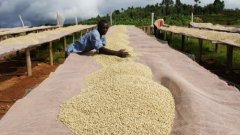
Ethiopian Sidamo Lion King Coffee introduces Ethiopian coffee producing area Ethiopian coffee
Ethiopia is the country where coffee was first discovered. Today, there is still a lot of wild coffee for farmers to harvest in the primeval forest. Ethiopia is a country with poverty, drought and civil war, but it is still the most important coffee producer in terms of coffee quality and output, and it is also the best and top coffee producer in the past year or two. Ethiopian coffee can be divided into two treatments. Water washing

Ethiopian coffee taste
Ethiopian Coffee Taste concern Review (official Wechat account vdailycom) found that the natural characteristics of coffee beans in a beautiful cafe to open its own small shop include large

Introduction to the characteristics of coffee flavor description and grinding degree in Shaqiso producing area of Ethiopia
Ethiopia has unique natural conditions suitable for growing all imaginable varieties of coffee. As a highland crop, Ethiopian coffee beans are mainly grown in areas between 1, 100 and 2300 meters above sea level, roughly distributed in southern Ethiopia. Deep soil, well drained soil, weakly acidic soil, laterite and soil are soft and contain

Ethiopian Coffee Manor Flavor Taste introduces Ethiopian boutique coffee beans
Sustainable coffee culture Ethiopian coffee beans grow in close to the natural environment, after years of planting under the same growth conditions, Ethiopian coffee beans have gradually adapted to the environment here. More than 60% of coffee beans are grown in forests or semi-forests. The villages that grow coffee in large areas account for about the total amount of coffee produced in the country.

Description of Flavor and Taste of Coffee Variety in Ethiopia Coffee Manor
Ethiopia is an ancient country with a history of 3000 years of civilization. The Hamite people who immigrated from the southern Arabian Peninsula were the earliest inhabitants. Monlinique I reigned in 975 BC. The Kingdom of Nubia was established in the 8th century BC. From the 1st century to 976 AD, the Ethiopian Empire, also known as the Kingdom of Aksum, was established in Aksum in the north. Christianity was introduced into Ethiopia in the 4th and 5th centuries.

What brand of Ethiopian coffee do you recommend? Ethiopian coffee cultivation is in the right place at the right time.
Professional coffee knowledge exchange more coffee bean information please follow the coffee workshop (Wechat official account cafe_style) front street-Ethiopia Coffee introduction different coffee producing areas are different in variety and climate, the coffee cultivation, harvest, treatment and processing processes are also different, so the resulting coffee has its own flavor. When choosing and tasting coffee

Ethiopian Coffee | Kafa Forest Coffee | characteristics of Ethiopian coffee beans
Professional coffee knowledge exchange more coffee bean information please follow coffee workshop (Wechat official account cafe_style) Kafa primeval forest ecological area (Kafa Forest) Wild Grown wild cultivated varieties country: ETHIOPIA Ethiopia grade: forest wild planting Wild Grown Kafa Forest Coffee producing area: Kafa primeval forest In der Provinz

Ethiopian coffee bean naming logic _ Ethiopian coffee classroom _ Ethiopian coffee how much is a cup of coffee
Professional coffee knowledge exchange more coffee bean information please follow the coffee workshop (Wechat official account cafe_style) Ethiopia is the birthplace of coffee, can start directly from the history of drinking. In 850, a shepherd in Ethiopia found that his goat became energetic after eating a certain fruit. When a group of hating couples learned about it, they felt bitter and disappointed when they ate it.

Ethiopian Sidamo Coffee Flavor description Taste Variety characteristics Fine Coffee treated with Grinding degree
Ethiopian Coffee Flavor description treatment introduces the Lion King from the Guji producing area of Sidamo, Ethiopia, is an ancient native high-quality variety: Heirloom, washing treatment, medium roasting. Different from the bitterness of the regular American coffee or latte, this series of coffee will have a fresh flower aroma, natural sweet and sour berries, worthy of careful taste. 1. When picking beans

Flavor and taste characteristics of Ethiopian coffee manor introduce Ethiopian coffee varieties
Ethiopian coffee beans grow in close to the natural environment, after years of planting under the same growth conditions, Ethiopian coffee beans have gradually adapted to the environment here. More than 60% of coffee beans are grown in forests or semi-forests. Large-scale coffee-growing villages account for about 35% of the country's total coffee production. Many of these are used.

A brief introduction to the market price of coffee cultivation in Ethiopian coffee farms with moderate acidity and alkalinity
Ethiopia produces between 200000 and 250000 tons of coffee each year. Today, Ethiopia has become one of the largest coffee producers in the world, ranking 14th in the world; the fourth largest coffee-growing villages in Africa account for about 35% of the country's total coffee production. These coffee farms, which use a multi-layer coffee planting system, get

18-year new production season Ethiopian coffee recommended: Cedar Mohambela Sakuran 2.0
Professional coffee knowledge exchange more coffee bean information please follow the coffee workshop (Wechat official account cafe_style) Ethiopian Sidamo Shakisso Natural Sakuran name: Ethiopia Sunshine Sidamo G1 Sakuran Ethiopian Sidamo Shakisso Natural Coffee country: Africa Africa, Ethiopia Ethiopia, Coffee Manor: Guji Gu

Introduction to the flavor and taste characteristics of Ethiopian Sidamochiso coffee with rich and aromatic flavor
In February 1977, Lieutenant Colonel Mengistu Haier Maryam (MENGISTU HAILE MARIAM) launched a military coup and served as Chairman of the interim military Administrative Council and head of State. In 1979, the Ethiopian Labor people's Party Organization Committee, dominated by soldiers, was established to implement an one-party system. In 1984, the Ethiopian Workers' Party was formed according to the Soviet Communist Party model. Mengistu, September 1987

Introduction to the method of texture treatment of Ethiopian Coffee Flavor and Grinding degree
On coffee farms, high quality assurance is reflected in the timely and strict selection of mature and reddest coffee fruits. Picked coffee needs to be protected from direct sunlight, and the picked fruit is concentrated in a bamboo basket to avoid contact with the soil. The picked fruit is washed in clean water and preserved under water to improve the flavor and color of coffee beans. Processing

World boutique coffee farm beans; Harald mocha (part 1) in Ethiopia has a delicate and rich taste
[product name]: Ethiopia Harald Mocha (Ethiopia Harar Mokha) [quality rating]: DP Grade 4 [baking]: recommended moderate baking (Medium Roast or City Roast) [grade]: excellent [granule]: ★ full [acidity]: ★★★★ slightly sour, dark chocolate aftertaste [balance]: ★★★★ is very stable

Aromatic Ethiopian coffee plantation with rich flavor. Taste characteristics. Introduction to fine coffee.
Ethiopia exports 80 - 85 per cent of natural or sun-cured coffee beans and 15 - 20 per cent of wet-processed coffee beans annually. Ethiopia has an estimated 2.5 percent market share in the global coffee market. Ethiopia's coffee exports to all parts of the world, Germany, Japan, Saudi Arabia and the United States are Ethiopia's four major coffee export countries. On average,

Introduction to the taste of coffee beans by describing the characteristics and flavor of coffee beans in Ethiopia
Ethiopian coffee bean flavor description introduces that Ethiopian coffee should be the only pollution-free green organic coffee in the world. Today, Ethiopia still uses traditional planting methods to artificially care for coffee trees, and fertilizers are mainly fallen leaves, withered grass and animal manure, replacing harmful pesticides and herbicides used on a large scale in other coffee-producing countries in the southwestern highlands of Ethiopia. Kafa

Ethiopian yega sherry suntan G1 Chilpa Chelba coffee Flavor characteristics
Professional coffee knowledge exchange More coffee bean information Please pay attention to coffee workshop (Weixin Official Accounts cafe_style) Qianjie Coffee Introduction Ethiopia Yirgacheffe Sun G1 Chelba Ethiopia Yirgacheffe G1 Chelba, natural Producing area: Ethiopia Yirgacheffe Chelba Harvest period: October ~ February Grade division: G1 Variety: Native Arabic